

A Christian foundation. A lifetime of possibility.
+254 731 214 080/Find us on Kangundo Road

CURIOSITY STARTS HERE

Learning that reaches beyond the classroom.

Kenya’s competency-based curriculum comes to life through discovery, practice and meaningful experiences.

Life at Kuza International School

LEARNING THAT GROWS WITH YOUR CHILD

Foundations for confident learners.

Playgroup offers a gentle introduction to learning through play, conversation and friendships.

PP1 and PP2 build early language, number awareness, creativity and social confidence, helping children prepare for primary learning.

In primary school, learners deepen their understanding and develop independence through practical activities, teamwork and problem-solving. Please contact our admissions team to confirm current class availability.

Kuza playgroup learning

THE KUZA LEARNING JOURNEY

A gentle start. A growing world.

A welcoming introduction to school, where play, conversation and friendships support a child’s first steps as a learner.

  • Play and discovery
  • Early communication
  • Social confidence
  • Creative expression
Ask about this stage

LEARNING, THE KUZA WAY

From a good question to a real discovery.

Knowledge matters most when children can use it. Our Christian foundation connects practical learning with responsibility, kindness and purpose.

01

Think it through.

Ask questions, explore ideas and explain a choice. Learning makes space for curiosity and more than one way to approach a problem.

02

Make it happen.

Handle materials, measure, create and collaborate. Practical experiences connect classroom ideas to everyday life.

03

Grow from it.

Talk about what worked, what was difficult and what to try next. Effort and reflection help build confidence.

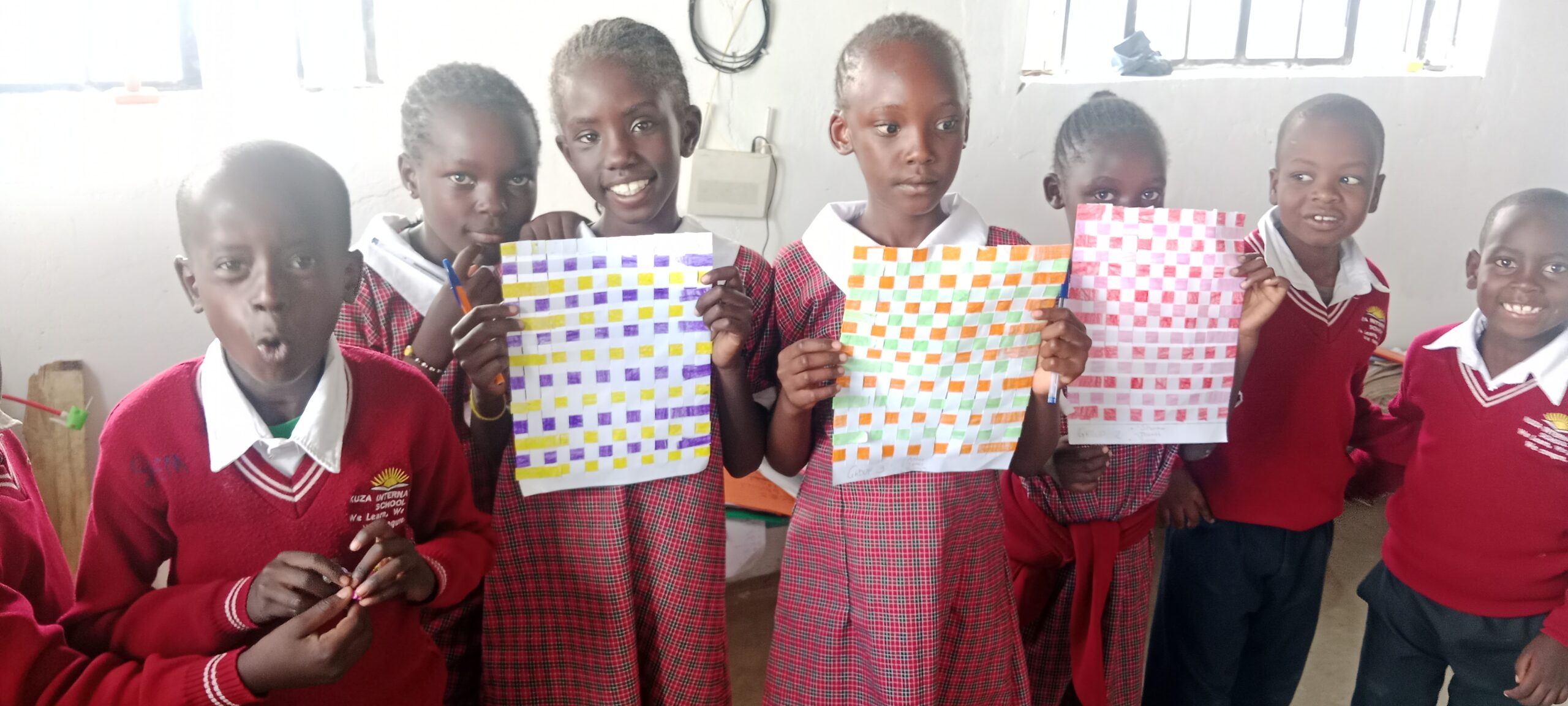
Kuza learners sharing their practical classroom work

A REAL KUZA LEARNING STORY · JUNE 2025

A meal. A science lesson. A bigger idea.

Kuza learners explored a fireless cooker: an insulated container that retains heat to continue cooking. Preparing a meal became an opportunity to connect measurement, science and creative problem-solving.

  • Measuring ingredients
  • Exploring heat retention
  • Working together
  • Thinking about energy use
Read the school’s story

Photograph: practical learning at Kuza. The school’s published story describes the fireless-cooker activity.

BEYOND REMEMBERING FACTS

Skills for learning. Skills for life.

Kenya’s competency-based framework places these seven capabilities at the heart of basic education. Explore what each can look like in a child’s learning.

01

Communication & collaboration

Sharing an idea, listening carefully and working with others towards a common task.

At home: take turns explaining how to make something or solve a simple puzzle.

02

Critical thinking & problem-solving

Asking why, comparing possibilities and choosing a way forward.

At home: ask “What else could we try?” before giving an answer.

03

Imagination & creativity

Making connections, expressing ideas and trying a different approach.

At home: offer simple materials and let your child decide what to create.

04

Citizenship

Understanding responsibility, caring for others and contributing to the community.

At home: choose a small shared task that helps the family or neighbourhood.

05

Digital literacy

Developing thoughtful, safe and purposeful ways to use digital tools.

At home: explore age-appropriate content together and talk about safe use.

06

Learning to learn

Recognising progress, asking for help and finding strategies that support understanding.

At home: ask your child what helped them understand something new.

07

Self-efficacy

Building the belief that effort, practice and useful strategies can make a difference.

At home: notice persistence and progress, not only the final result.

Curriculum reference: Kenya Institute of Curriculum Development · Basic Education Curriculum Framework ↗. Examples above explain the competencies; they are not a fixed school timetable.

SCHOOL + HOME

A shared understanding of progress.

Kuza values parent–teacher communication. A useful conversation looks beyond a mark to understand what a child can do, where they need encouragement and what comes next.

Talk to our school team
What should I ask about my child’s learning?
Ask what your child is confident doing independently, what they are practising and which small next step would help. Request examples of their work to make the conversation concrete.
How can we support learning at home?
Read and talk together, count and measure in everyday activities, make room for play, and encourage your child to explain their thinking. Ask the teacher for guidance appropriate to your child’s stage.
How will progress be discussed?
Contact the school to confirm current reporting and parent–teacher meeting arrangements. Competency-based learning uses evidence of what a learner understands and can do; the school can explain its own reporting process.
Which class should we enquire about?
Share the class your child is currently in and the stage you are considering. The admissions team will confirm available classes, any assessment arrangements and the appropriate next steps.

YOUR LEARNING QUESTIONS

The details that matter.

Which classes are currently available?
Please contact our admissions team with the class you are considering. We will confirm current provision and available places.
Does “International” mean an international curriculum?
Kuza follows the Kenyan competency-based curriculum. Our school vision encourages learners to use their gifts to bring positive change to the world.
Can I meet the teachers before joining?
You can request a school visit through our admissions form. Our team will confirm arrangements with you.

A BRIGHTER CHAPTER STARTS HERE

Big possibilities.
One beautiful beginning.

Meet the people, explore the learning and discover what makes Kuza a place to belong.

Arrange your school visit
Talk to Kuza